
Earlier this year, I visited Thailand to evaluate the PCB manufacturing landscape.
On my first trip in 2023, several large Chinese-funded facilities were just breaking ground a few hours outside Bangkok in new industrial parks.
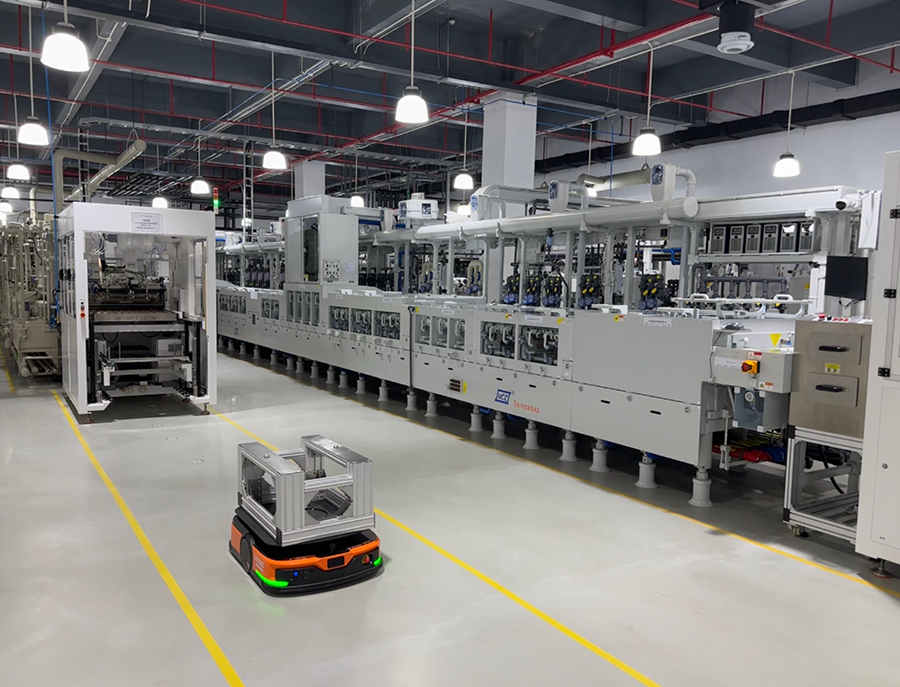
By 2025, those plots held modern PCB plants with space reserved for expansion, and each major PCB process had its own well-laid-out area.
Some factories incorporated sustainability features, such as capturing seasonal rainwater from their large roofs for later use in production.
The equipment was state-of-the-art. Plating lines were long, new and free of the fumes and wet floors that used to define “wet process” areas. The plants were bright, dry and immaculate.
Autonomous guided vehicles (AGVs) moved panels between departments, though many were idle because volumes were still ramping. Most plants were in an early production phase.
Rooms designed for multiple laser drills might have only a couple installed, and plating rooms built for several lines held just one. AOI, drilling, routing and press departments all had room for more equipment.
Historically, Thailand has focused on low-mix, low-to-medium technology PCBs. These new facilities, however, were targeting higher-mix, higher-technology work for markets like the US.
With more than 20 large PCB factories running or about to start, experienced operators, engineers and chemists were in short supply. Established plants were losing talent to newcomers, and many available workers lacked formal IPC training or certification.
English was the common language between Chinese management and Thai workers, but communication issues still slowed operations. Some managers estimated it would take up to a year for their factories to become cohesive.
Labor in Thailand is significantly cheaper than in China, but electricity costs about 25% more.
Many key chemicals and laminates were still imported from China, adding cost and complexity. Local raw material production exists but is insufficient, though a major Chinese laminate supplier planned to open a local facility.
PCB prices in Thailand are typically 15–20% higher than in China. For US buyers, however, US Section 301 tariffs of 25% on Chinese-made PCBs do not apply to Thai product, which helps offset the premium.
The tradeoff is time: Thai factories often take six to eight weeks from quote to shipment, while Chinese suppliers frequently quote within a day and ship in three to four weeks or less. A 10%–19% reciprocal tariff between the US and Thailand also factors in for American board buyers.
For PCB buyers outside the US, the same challenges in long lead times for quotes and delivery and higher base prices still apply, although tariffs may be lower.
Over the next couple of years, Thailand’s success as a PCB hub will depend less on capital and more on politics, tariffs, labor stability and the maturation of its local supply chain.
Thoughts?